Kindling
M. Lindqvist
Authorised signatureThe cheque is signed

Memo
The six-page memo
Why every investment we make starts as six pages of prose, and why the founder gets a copy.
Memo · Mar 4, 2026 · 5 min read
Memo
The six-page memo
Why every investment we make starts as six pages of prose, and why the founder gets a copy.
Memo · Mar 4, 2026 · 5 min read
Memo
The six-page memo
Why every investment we make starts as six pages of prose, and why the founder gets a copy.
Memo · Mar 4, 2026 · 5 min read
Every investment we make starts as a memo of six pages. Not a deck, not a data room: six pages of prose that one partner writes and every partner reads before the meeting. We have worked this way since the firm was founded in 2012, and all 86 companies in the portfolio have one.
Why six
Six pages is long enough to hold a real argument and short enough that nobody skims it. Each page has one job.
- Page one says what the company does, in words a customer would use
- Page two says why now, and why not three years ago
- Page three is the founder, and what they did before
- Page four is the market, in numbers we checked ourselves
- Page five is what would have to be true for us to be wrong
- Page six is the price: the cheque, the stake and the terms
Why prose
Slides let a weak argument hide between bullet points. A paragraph does not. If the reasoning has a gap, the sentence that should cross it will not come, and the partner finds out at the desk rather than in the meeting.
If a partner cannot write it down, the partner does not understand it yet.
The memo has one author, named on the first page. That partner took the first call and will work with the company afterwards. Nobody else edits it. The other partners read it in silence at the start of the meeting and then argue with page five, which is the page that matters most.
Why the founder gets a copy
Once the round closes we send the founder the memo, unchanged. That includes the fifth page, with our doubts in it. It is the most honest account of how an outsider saw the company on the day we wrote the cheque.
Founders have told us they use it in three ways:
- To hire, because it says plainly why the company should exist
- To prepare for the next round, because the doubts on page five are the questions the next investor will ask
- To hold us to what we said we would do
The rule is simple. It is written before the partner meeting, never after, and no cheque leaves Kindling without one.
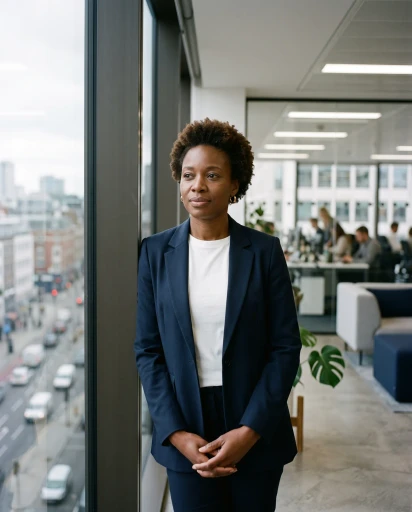
Written byMara Lindqvistfounding partner
Pass it on

Every investment we make starts as a memo of six pages. Not a deck, not a data room: six pages of prose that one partner writes and every partner reads before the meeting. We have worked this way since the firm was founded in 2012, and all 86 companies in the portfolio have one.
Why six
Six pages is long enough to hold a real argument and short enough that nobody skims it. Each page has one job.
- Page one says what the company does, in words a customer would use
- Page two says why now, and why not three years ago
- Page three is the founder, and what they did before
- Page four is the market, in numbers we checked ourselves
- Page five is what would have to be true for us to be wrong
- Page six is the price: the cheque, the stake and the terms
Why prose
Slides let a weak argument hide between bullet points. A paragraph does not. If the reasoning has a gap, the sentence that should cross it will not come, and the partner finds out at the desk rather than in the meeting.
If a partner cannot write it down, the partner does not understand it yet.
The memo has one author, named on the first page. That partner took the first call and will work with the company afterwards. Nobody else edits it. The other partners read it in silence at the start of the meeting and then argue with page five, which is the page that matters most.
Why the founder gets a copy
Once the round closes we send the founder the memo, unchanged. That includes the fifth page, with our doubts in it. It is the most honest account of how an outsider saw the company on the day we wrote the cheque.
Founders have told us they use it in three ways:
- To hire, because it says plainly why the company should exist
- To prepare for the next round, because the doubts on page five are the questions the next investor will ask
- To hold us to what we said we would do
The rule is simple. It is written before the partner meeting, never after, and no cheque leaves Kindling without one.
Written byMara Lindqvistfounding partner
Pass it on